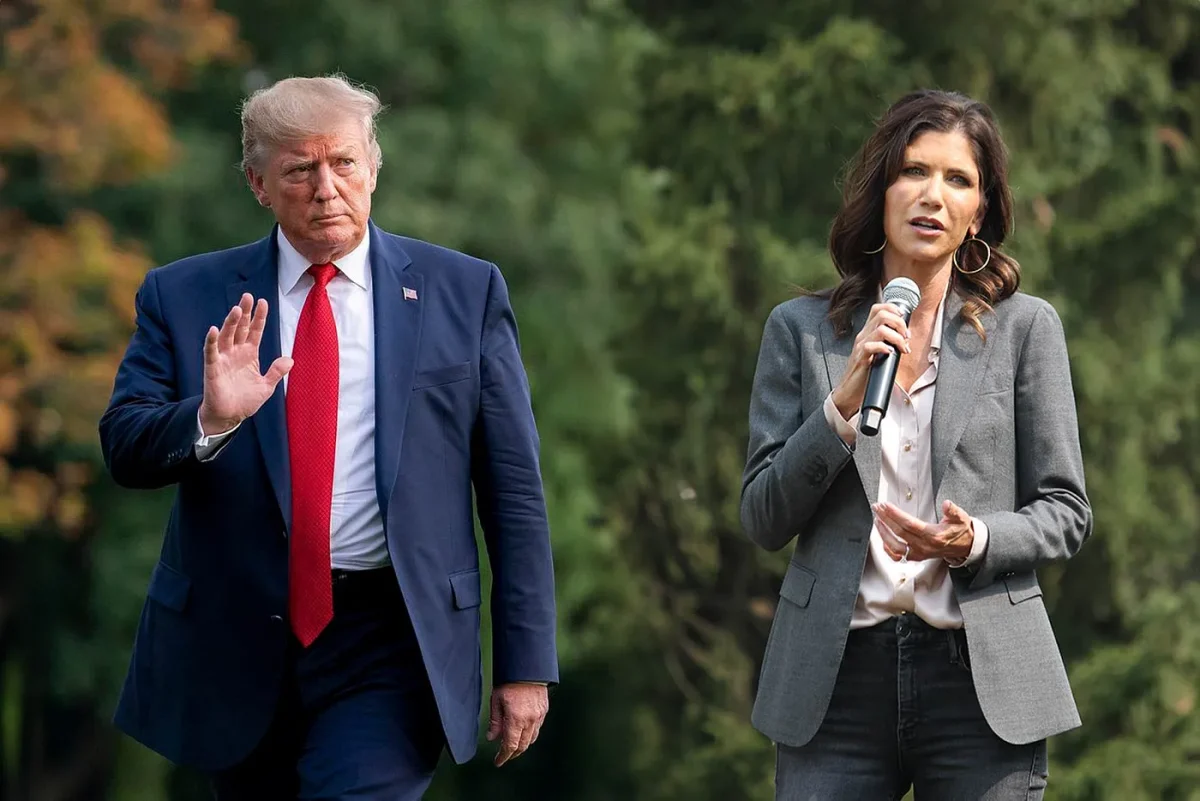



On Nov. 10, President Trump signed an agreement officially ending the longest government shutdown in American history, concluding 44 days of gridlock between Democrats and Republicans. What began as a dispute over the use of federal funds and immigration enforcement quickly spiraled into national crisis. Essential services were halted, millions of federal workers went unpaid and deep political divides were put on full display. Ultimately, understanding how this shutdown unfolded and why it lasted so long offers intriguing insight into the challenges our nation faces in upcoming years.
History of Government Shutdowns
While government shutdowns were rare for the majority of our country’s history, they have become increasingly common in recent decades. According to CBS News, the federal government has shut down 15 separate times since 1980 alone. Yet the nature of these shutdowns has changed significantly over the past 40 years. During the Reagan administration, for example, there were eight separate shutdowns, but none lasted more than three days. Since then, government shutdowns have grown longer and far more disruptive, causing deeper economic strain, greater instability for federal workers and broader consequences for the nation at large. The 2014 government shutdown under president Obama lasted 14 days and the 2018-2019 shutdown during President Trump’s first term lasted 35 days. These recent shutdowns have resulted in government employees unpaid or furloughed for weeks and caused slowdowns of essential services. However, a shutdown lasting over 40 days is unprecedented, and its effects have become more far-reaching than any shutdowns before it.
Why Did it Happen?
The government shutdown officially began after a GOP-backed bill funding the government through Nov. 21 was blocked by the Senate. According to CBS News, Senate Democrats claimed their reason for blocking the bill was to extend expiring health insurance credits and to fight against immigration enforcement. These actions resulted in a political gridlock. No budget was passed, leading to the closing of many government services, including National Parks, the Smithsonian museums and many departments such as Homeland Security, Treasury and Transportation were all forced to run at limited capacity. The White House blamed the Democrats for the shutdown, claiming that they attempted to “hold the government hostage over free healthcare for illegal aliens.” As both sides refused to see eye-to-eye, the shutdown dragged on for over a month, leading to more consequences for everyday Americans than ever seen before.
Impacts
On Nov. 1, 30 days into the shutdown, Supplemental Nutritional Assistance Program (SNAP) benefits were cut off as funding dried up. In Illinois, partial food assistance was guaranteed after a legal battle with the Trump administration over funding of the food stamp program, according to Fox 32. However, Americans in other states, such as the 5.5 million residents in California, lost access to food stamps and other welfare benefits, putting some in a dire state.
Additionally, federal employees were furloughed or went without pay for over a month, resulting in a lack of provided services. Government employees, including those working in the federal government, national park rangers and even active service members, were forced to work without pay. But perhaps the most alarming disruption was air travel. Due to the lack of Federal Aviation Administration (FAA) employees, as many as 10% of flights were cancelled every day during the shutdown, according to CNBC. While the government is now open, its impact on air travel is ongoing as big network airlines lost almost $200 million due to the delays. As the shutdown drags on, its ripple effects continue to reveal just how deeply government operations are woven into Americans’ daily lives.
The Future?
The bill that was signed on Nov. 10 ends the shutdown but only provides funding to the government through the end of January. After the longest and most disruptive lapse in federal operations in the nation’s history, many Americans are concerned that Washington can soon face another political gridlock. As agencies work to recover from the backlog and unpaid workers receive long-delayed pay- checks, questions still remain on the longevity of the compromise that reopened the government. Lawmakers from both parties have emphasized the need for a more stable funding system, but with partisan tensions remaining high, the possibility of another shutdown lingers. Whether Congress can translate this temporary agreement into lasting stability will shape the political and economic landscape heading into the new year.