


High school students are always told the same
thing: get involved.
For the past four years, it’s been my go-to
advice to underclassmen: find something you love
and stick with it. For me, involvement wasn’t just
about building a resume. It was about building a
life inside school. The clubs, teams and programs
I committed to gave me structure, community
and a reason to show up every day. They taught
me how to lead, how to manage my time and how
to connect with people I never would have met
otherwise.
I assumed that was the norm. But recently, it’s
become clear that it isn’t.
Across activities, from fine arts to academic
teams, there’s been a noticeable shift. What once
were full rooms are now half-empty. Underclass-
men, especially juniors, are increasingly absent.
Programs are shrinking, and leadership pipelines are
thinning.
In my freshman year, the band program was
forced to cut down from four ensembles to three
due to declining numbers. Now, as the next school
year approaches, groups like Stageplayers are
already worrying about who will step up for their
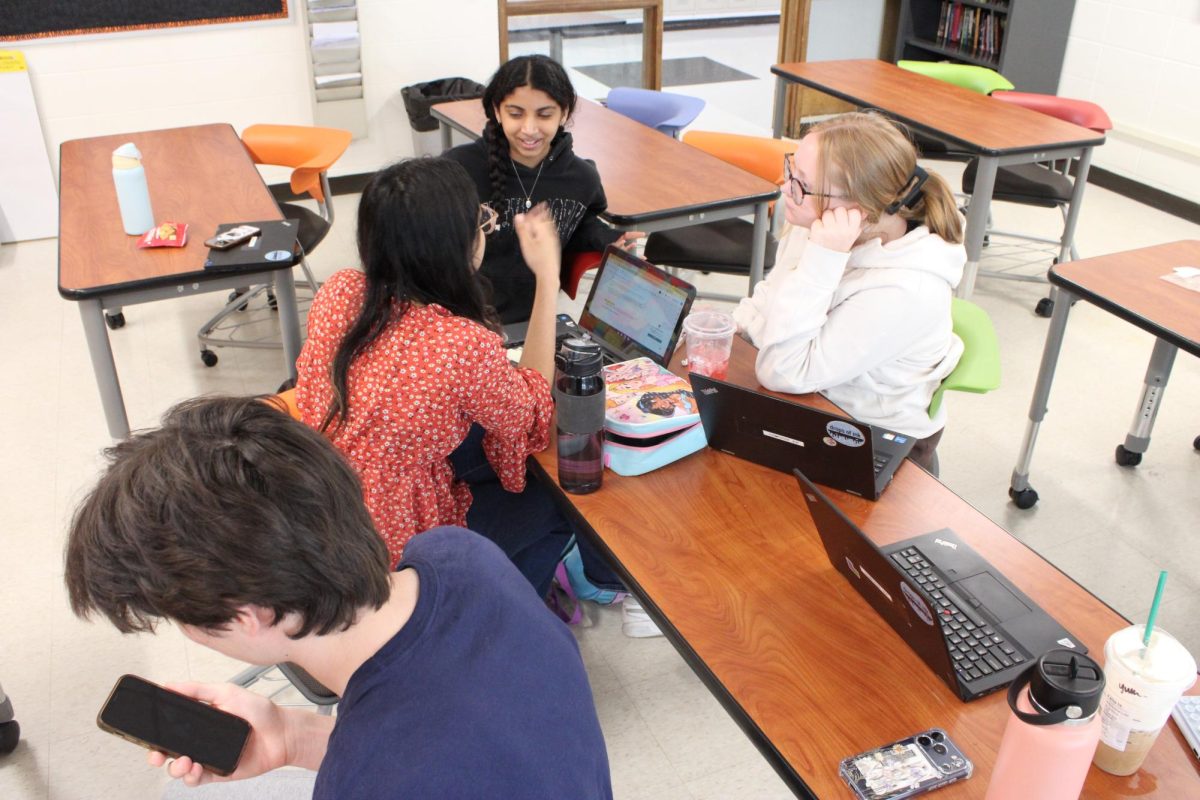
Executive Board. In the activities I participate in,
like Mock Trial and Drops of Ink, seniors dominate
participation, leaving younger grades underrepre-
sented.
And as those seniors graduate, the question
becomes unavoidable: who’s next?
Because without underclassmen stepping in,
these programs don’t just struggle, they disap-
pear. Clubs don’t run themselves. Teams don’t
rebuild overnight. Leadership isn’t something you
can suddenly create; it’s something that has to
be developed over time. When younger students
aren’t involved early, there’s no one ready to take
over later.
So why is this happening?
Part of it is burnout. Students are stretched thin:
balancing classes, homework and the pressure to
succeed. After a while, involvement can start to
feel like just another obligation instead of some-
thing meaningful. For some, it’s easier to step back
than to keep pushing forward.
There’s also a shift in priorities. More and more,
school feels like something to “get through” rather
than something to be part of. Once students start
thinking only about the end goal—college, gradu-
ation, what’s next—everything else begins to feel
less important. Activities that once built a commu-
nity start to feel optional, even unnecessary.
But when students disengage, they lose more
than just a line on a resume. They lose connection.
They lose opportunities to lead, to collaborate and
to be part of something bigger than themselves.
I understand why students pull away. School can
be exhausting. Not every activity is for everyone,
and no one should feel forced into something they
don’t enjoy. But completely opting out comes with
consequences—not just for individuals, but for the
school as a whole.
Because if fewer students step up, fewer pro-
grams survive. And if those programs disappear, so
does a huge part of what makes high school more
than just classes and assignments. The commu-
nities, the traditions and the shared experiences
don’t exist without participation.
This problem goes way beyond students not
getting involved. It’s what happens when there’s
nothing left to be involved in.
![Drops of Ink seniors struggle with completing assignments as the school year comes to an end. “One of the reasons [for burnout] is because we've been doing the same thing for years, and so after a while, it becomes routine,” a DOI senior said. “So, well, this is the last little bit, so I don't think I really need to put in 100% effort anymore.”](https://www.lhsdoi.com/wp-content/uploads/2026/05/staff-ed-1200x800.jpg)